About Hill Country Septic Guide
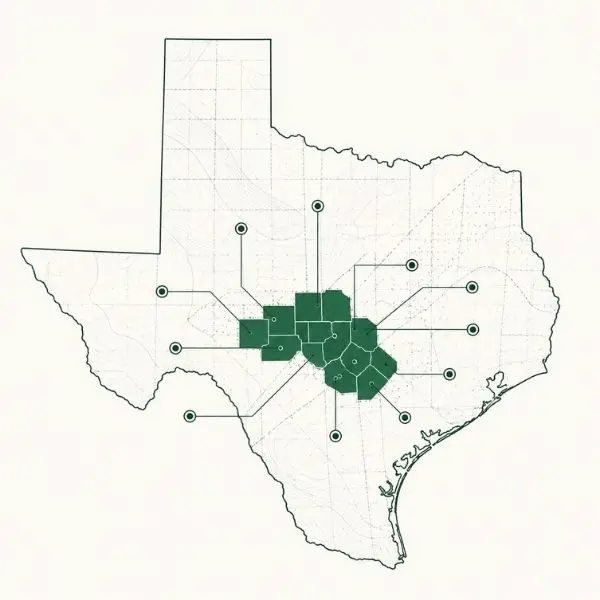
Why This Guide Exists
Septic system decisions in the Texas Hill Country are rarely simple. Questions about system type, site conditions, county oversight, repairs, replacement costs, and property development often surface when the stakes are already high—while buying land, building a home, troubleshooting a system problem, or trying to understand what local requirements may apply.
Hill Country Septic Guide was created to give Texas Hill Country homeowners, land buyers, and rural property owners a clearer, more trustworthy place to start. The goal is straightforward: help people make more informed septic decisions with better information, stronger local context, and fewer costly surprises.
What Hill Country Septic Guide Covers
Hill Country Septic Guide focuses on the septic and wastewater questions that affect real property decisions in the Hill Country, including:
- septic system basics and homeowner maintenance questions
- common septic warning signs and troubleshooting issues
- system installation, repair, and replacement cost questions
- OSSF rules, county processes, and Texas regulatory guidance
- site evaluation, land considerations, and septic planning before buying or building
The site is designed to make technical and regulatory information more accessible to homeowners without stripping away the local realities that matter in the Texas Hill Country. Readers can explore HCSG’s county resources, browse regional septic articles, and start with practical guidance on common homeowner questions before digging into county- or property-specific details.
About the Founder
I’m Trace Pirtle, founder of Hill Country Septic Guide.
My professional background is in higher education, research, writing, and assessment. For decades, my work centered on helping people make sense of complex information, ask better questions, and make more informed decisions. Hill Country Septic Guide applies that same discipline to a subject that affects homeowners, land buyers, and rural property owners across the Texas Hill Country.
I’m also a Hill Country homeowner with a practical interest in the realities of rural property ownership, land use, and septic decision-making in this region. Over time, it became clear to me that septic information is often fragmented across county offices, state guidance, contractor conversations, and technical documents that are not written with homeowners in mind. Hill Country Septic Guide was built to help close that gap.
How the Guide Is Built
Hill Country Septic Guide is an independent educational resource. Its content is developed through ongoing research, review of Texas and county-level septic information, and continued attention to the practical questions property owners actually face. Where appropriate, HCSG draws on primary sources such as the Texas Commission on Environmental Quality’s (TCEQ) OSSF guidance and county-level septic resources across the Hill Country.
That includes work such as:
- reviewing Texas OSSF rules and county septic resources
- studying site, soil, and land-use issues that affect septic planning
- organizing homeowner questions around costs, warning signs, permits, and system choices
- learning from county contacts, licensed professionals, and field-based conversations when appropriate
Because septic decisions are often tied to larger property decisions, the guide is written with the homeowner’s decision process in mind. That means not only explaining septic system basics, but also helping readers think through costs, county requirements, land considerations, and the kinds of questions worth answering before buying, building, repairing, or replacing a system. In a region like the Texas Hill Country—where site conditions, local oversight, and property characteristics can vary widely—context matters. The aim of HCSG is to make that context easier to understand.
Because septic decisions are often tied to larger property decisions, the guide is written with the homeowner’s decision process in mind. That means not only explaining septic system basics, but also helping readers think through costs, county requirements, land considerations, and the kinds of questions worth answering before buying, building, repairing, or replacing a system. In a region like the Texas Hill Country—where site conditions, local oversight, and property characteristics can vary widely—context matters. The aim of HCSG is to make that context easier to understand.
What Hill Country Septic Guide Is — and Isn’t
Hill Country Septic Guide is a homeowner-focused septic information resource for the Texas Hill Country.
It is not a county office, engineering firm, septic installer, or legal authority. It does not issue permits, perform site evaluations, or replace the role of licensed professionals. Instead, it exists to help property owners better understand septic systems, local processes, and the questions worth asking before problems become expensive.
If you are a homeowner, land buyer, or rural property owner trying to understand septic issues in the Hill Country, this guide was built for you.